


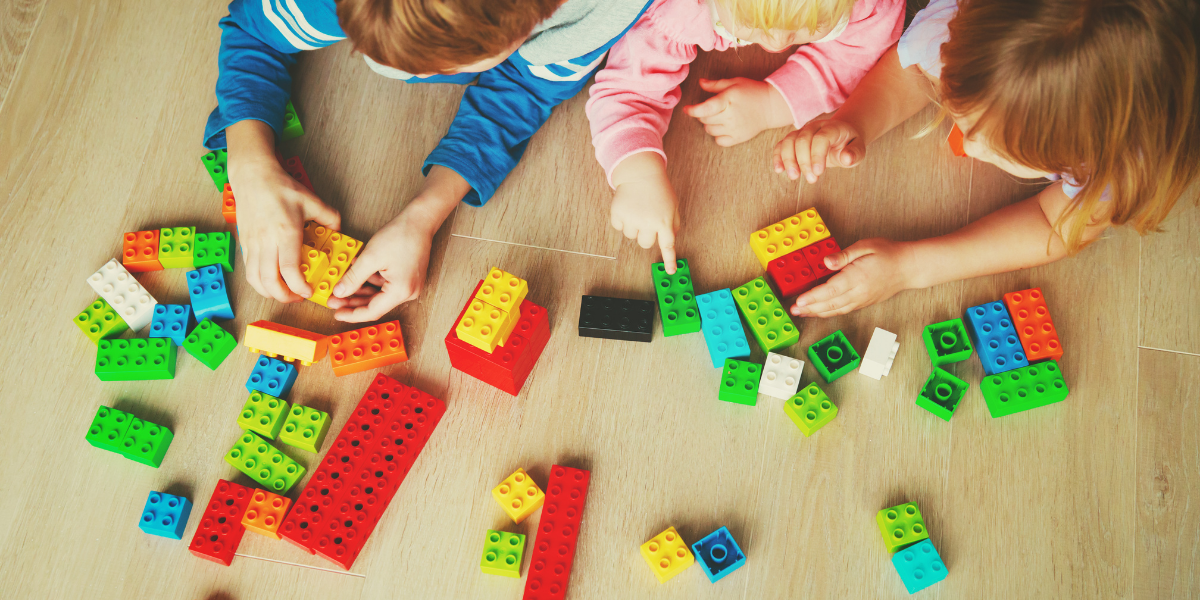
For young children, play isn’t a break from learning — it is how learning happens.
From stacking blocks to pretending to run a grocery store, children make sense of the world through play. They experiment, communicate, solve problems, and build confidence in ways that feel natural and joyful. At Chapter1 Daycare, play-based learning is at the heart of how we support children’s growth — emotionally, socially, physically, and academically — from infancy through pre-kindergarten.
This guide explains what play-based learning really means, why it’s so effective in early childhood, and how it prepares children for school and life — all while letting them be kids.
Why Play Is Essential in Early Childhood
During the first six years of life, children’s brains develop faster than at any other time. Young children don’t learn best by sitting still or memorizing information. They learn by doing — by touching, moving, imagining, asking questions, and trying again.
Play-based learning taps into children’s natural curiosity. It allows them to explore ideas at their own pace while building the foundational skills they’ll rely on for years to come. When children feel safe, engaged, and interested, learning becomes meaningful and long-lasting.
At its core, play-based learning respects how children grow. It meets them where they are and gives them space to develop confidence, independence, and a genuine love of learning.
What Play-Based Learning Really Means
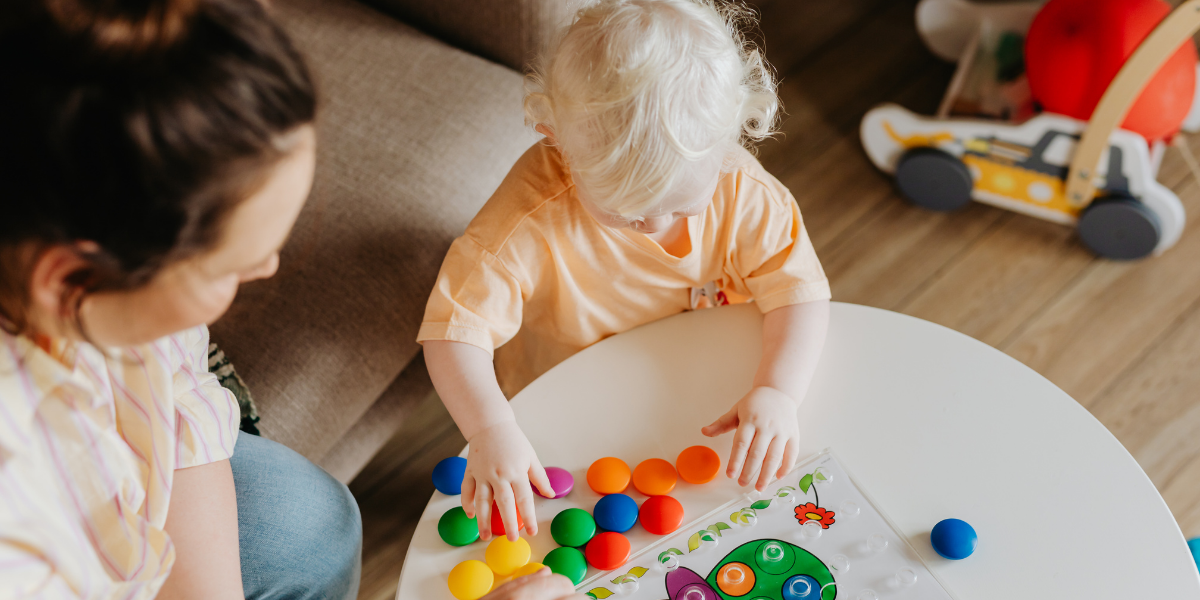
Play-based learning is often misunderstood. Some parents worry it means a lack of structure or that academic skills are delayed. In reality, high-quality play-based programs are both intentional and thoughtfully guided.
Play-based learning combines child-led exploration with educator support. Children choose activities that interest them, while educators design environments, routines, and prompts that encourage learning outcomes such as language development, problem-solving, and social skills.
This approach values exploration over worksheets and hands-on discovery over rote instruction. Children aren’t “just playing” — they are building knowledge through real experiences that make sense to them.
Play-based learning also includes structure. Predictable routines, small group activities, daily rhythms, and consistent expectations help children feel secure. The difference is that learning happens through engaging experiences rather than pressure or early academic drills.
How Play Supports Whole-Child Development

Play-based learning supports all areas of early childhood development at the same time. Rather than isolating skills, play naturally weaves them together.
Cognitive Development: Thinking, Reasoning, and Problem-Solving
When children play, they experiment with cause and effect, plan ahead, and test ideas. Building with blocks teaches balance and spatial awareness. Water play encourages prediction and observation. Pretend play invites children to create stories, roles, and rules.
These experiences strengthen critical thinking and early problem-solving skills. Play also supports executive function — skills like focus, memory, and impulse control — which are essential for later academic success.
Because children are actively involved, their learning is deeper and more flexible than information learned by memorization alone.
Language and Early Literacy Development
Play is rich with language. Children talk through ideas, negotiate roles, ask questions, and tell stories. Pretend play, in particular, expands vocabulary and communication skills as children describe what they’re doing and respond to others.
Songs, books, storytelling, and dramatic play help children understand rhythm, sequence, and meaning — all key building blocks for reading and writing. Even before children recognize letters, they are developing strong foundations for literacy through conversation and imaginative play.
Social and Emotional Growth
One of the most powerful benefits of play-based learning is social-emotional development.
Through play, children learn how to share, take turns, cooperate, and resolve conflicts. They experience emotions like excitement, frustration, pride, and disappointment in a safe environment — and learn how to manage those feelings.
Play helps children build empathy by seeing situations from others’ perspectives. It encourages independence, resilience, and confidence as children try new things and learn that mistakes are part of growth.
These emotional skills are just as important as academic readiness and strongly influence how children succeed in school and relationships.
Physical Development: Fine and Gross Motor Skills
Active play supports physical growth and coordination. Running, climbing, jumping, and outdoor play strengthen large muscles and balance. Fine motor activities like drawing, building, and manipulating small objects help children develop hand strength and control.
These skills are essential for everyday tasks such as dressing, eating, and eventually writing. Movement also supports brain development and helps children regulate energy and focus.
Free Play and Guided Play: Finding the Right Balance
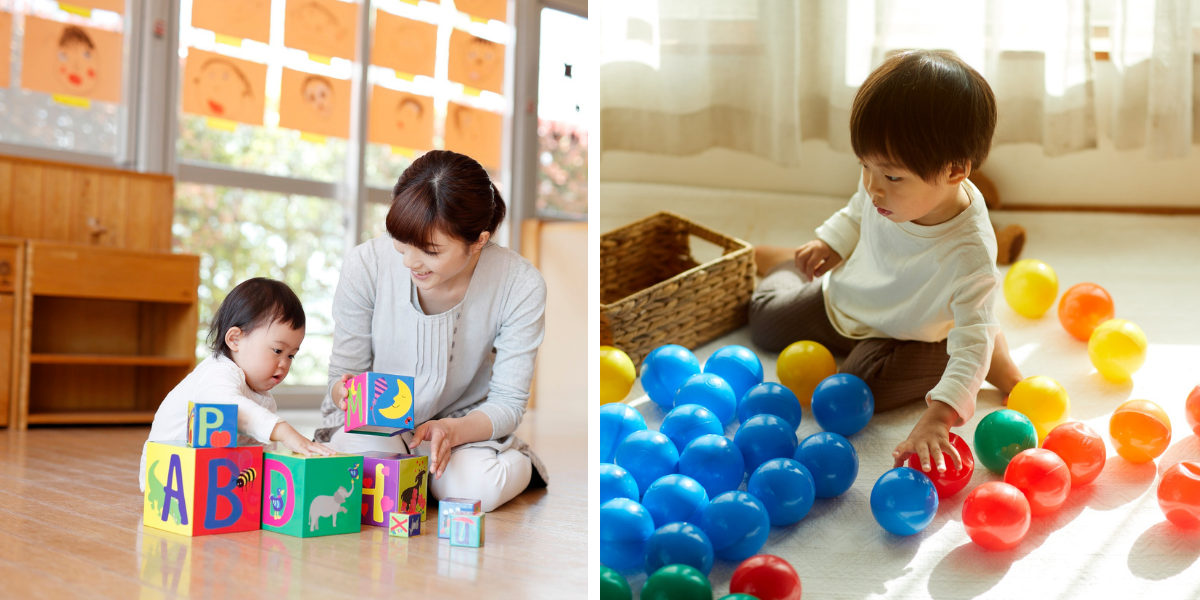
Quality play-based programs balance different types of play to support development.
Free play allows children to follow their interests and build independence. Guided play involves educators gently supporting learning goals through thoughtful questions, materials, or prompts. Structured games with simple rules help children practice listening, cooperation, and self-control.
Educators play an important role in knowing when to step in and when to step back. By observing children closely, they can extend learning without interrupting creativity — asking questions like “What do you think will happen next?” or “How could we solve that together?”
This balance ensures children experience both freedom and meaningful learning opportunities.
Is Play-Based Learning Enough for Kindergarten Readiness?
This is one of the most common questions parents ask — and it’s an important one.
School readiness isn’t about early worksheets or memorizing facts. It’s about children having the confidence, communication skills, emotional regulation, and curiosity needed to thrive in a classroom environment.
Play-based learning supports all of these skills. Children who engage in rich play experiences often enter kindergarten able to follow routines, express their needs, work with peers, focus on tasks, and approach challenges with confidence.
Rather than rushing academics too early, play-based learning builds the foundation that makes future learning easier and more enjoyable.
Play-Based Learning Across Different Ages
Play evolves as children grow, and effective programs adapt to each developmental stage.
Infants benefit from sensory experiences, movement, songs, and responsive interactions that build trust and brain development. Toddlers explore cause and effect, pretend play, and physical movement as they gain independence and language skills.
Preschool-aged children engage in imaginative play, cooperative projects, and early problem-solving activities that strengthen social and cognitive growth. Pre-kindergarten children benefit from more complex group play, early STEM exploration, and fine motor activities that support school readiness.
At every stage, play remains meaningful, purposeful, and developmentally appropriate.
What to Look for in a Play-Based Daycare or Preschool
Not all programs labeled “play-based” are the same. When choosing childcare, it’s important to look beyond the label.
High-quality play-based programs offer predictable routines and calm, organized environments. Educators are actively engaged with children, observing, listening, and guiding learning rather than simply supervising.
Classrooms are filled with open-ended materials that invite creativity rather than toys with only one outcome. Outdoor play is part of the daily routine, and communication with families helps parents understand how learning happens through play.
A strong play-based program feels purposeful, nurturing, and thoughtfully designed.
How Chapter1 Daycare Supports Learning Through Play
At Chapter1 Daycare, play-based learning is woven into everything we do.
Our educators create safe, welcoming environments where children feel confident to explore, ask questions, and express themselves. Daily activities are thoughtfully planned to support development across all learning areas, while still allowing room for creativity and choice.
Children enjoy a balance of indoor and outdoor play, structured activities, crafts, and social experiences that build skills naturally. Nutritious meals, clear routines, and strong communication with families help children feel supported throughout their day.
With two convenient Calgary locations — Cedarbrae and Royal Oak — and flexible scheduling options including extended hours, night, and weekend care, Chapter1 is designed to support real family needs while providing high-quality early education.
Frequently Asked Questions
Is play-based learning just “free play,” or are children actually learning?
Play-based learning is intentional and purposeful. While children lead their play, educators carefully design environments and guide experiences to support learning goals like language development, problem-solving, and social skills.
Can play-based learning support early reading and math skills?
Yes. Through storytelling, sorting, building, counting, and conversation, children naturally develop early literacy and numeracy skills in ways that feel meaningful and engaging.
What’s the difference between free play and guided play?
Free play is child-directed and encourages independence. Guided play includes gentle educator support to extend learning, such as asking questions or introducing materials that support specific skills.
How does play help with emotional regulation and behaviour?
Play allows children to experience and manage emotions in a safe environment. Through social interaction, children learn patience, empathy, resilience, and self-control — skills that support positive behaviour.
Will a play-based preschool prepare my child for kindergarten?
Absolutely. Play-based learning builds the social, emotional, and cognitive foundations children need to succeed in a school setting, including focus, cooperation, confidence, and curiosity.
How can parents support play-based learning at home?
Simple activities like reading together, imaginative play, outdoor exploration, and open-ended materials support learning at home. Children don’t need expensive toys — time, attention, and curiosity matter most.
A Strong Beginning Starts With Play
Play-based learning gives children the freedom to explore and the support to grow. It builds confident learners, caring friends, and curious thinkers — all while honoring the joy of childhood.
At Chapter1 Daycare, we believe every child’s story deserves the best beginning. Through nurturing care, thoughtful play-based learning, and flexible support for families, we help children build skills that last a lifetime.
If you’re exploring daycare or preschool options in Calgary, we invite you to learn more about Chapter1 Daycare at our Cedarbrae and Royal Oak locations.