


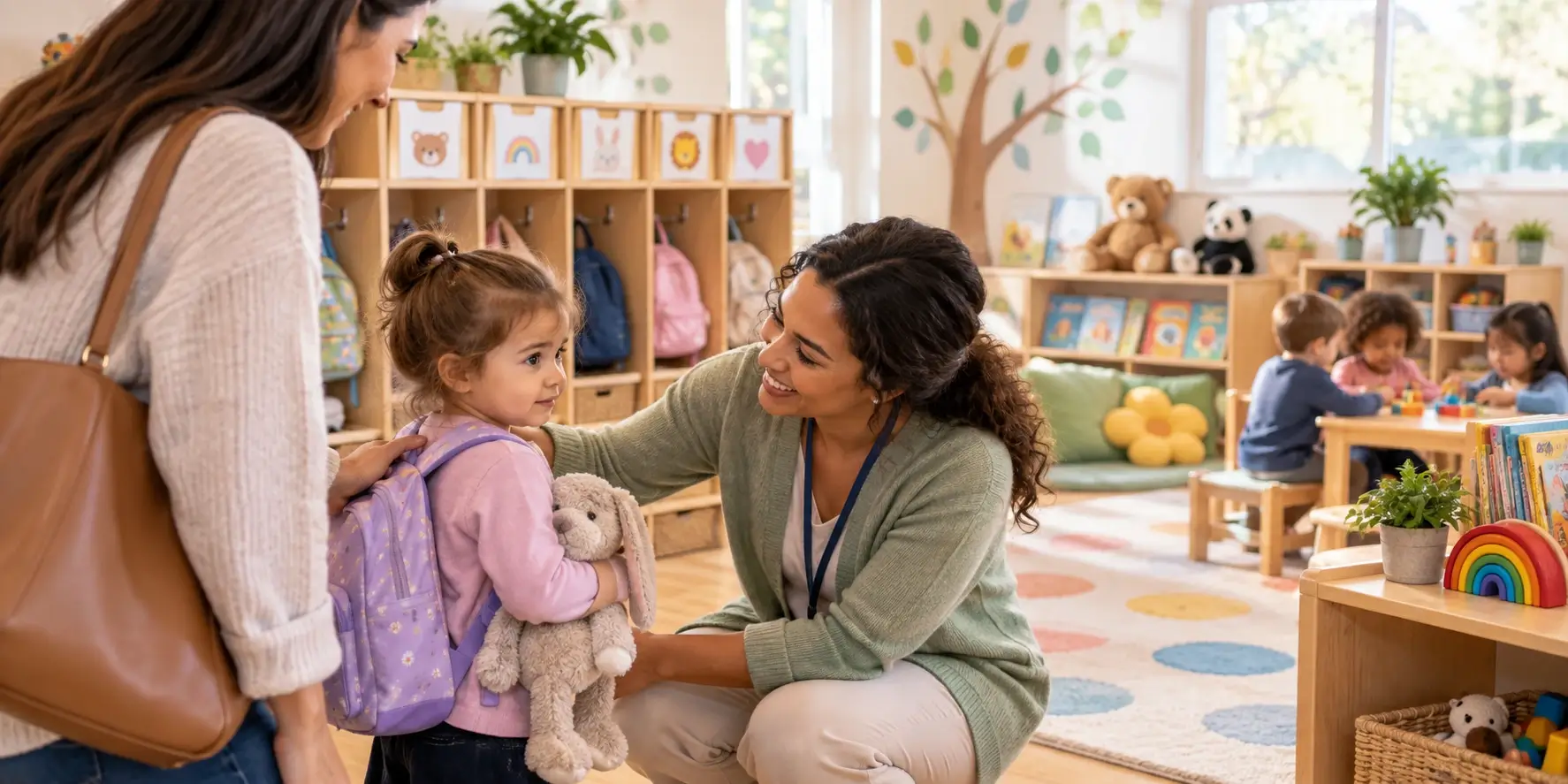
Transitions are a normal part of every child’s early years. From starting daycare for the first time to moving into a new classroom, young children experience many changes as they grow, learn, and become more independent.
For children, even small changes can feel overwhelming. A new environment, unfamiliar faces, different routines, or separating from parents can bring feelings of uncertainty. A supportive daycare environment helps children navigate these moments by providing consistency, reassurance, and caring guidance.
Quality childcare programs understand that children need time to adjust. Through predictable routines, supportive educators, and positive experiences, daycare helps children build confidence and feel comfortable with change.
Why Transitions Can Be Challenging for Young Children
Young children feel most secure when they know what to expect. During early childhood, children are still developing emotional regulation skills and learning how to communicate their feelings.
A transition may involve something simple, such as moving from playtime to lunch, or something bigger, such as starting daycare or moving into a new classroom. These changes can create excitement, curiosity, or nervousness.
Some common transitions children experience include:
- Starting daycare for the first time
- Adjusting to a new daily routine
- Moving from an infant program to a toddler classroom
- Transitioning from toddler care to preschool
- Preparing for kindergarten
When children have consistent support during these moments, they learn that changes can be safe and manageable.
How Daycare Uses Routines to Help Children Feel Secure
One of the most effective ways daycare supports children through transitions is by creating predictable daily routines.
Children feel more confident when they understand what happens next. A consistent schedule helps them recognize patterns throughout the day and reduces uncertainty.
A typical daycare routine may include:
- Welcoming greetings in the morning
- Learning activities
- Snack and meal times
- Outdoor play
- Rest periods
- Group activities
- Pickup routines
These familiar experiences allow children to gradually develop independence. Over time, they learn classroom expectations, become comfortable with their surroundings, and feel more confident participating in daily activities.
At Chapter1 Daycare, structured routines are designed around children’s developmental needs. Programs for different age groups, including infant daycare programs and toddler daycare programs, provide children with age-appropriate activities and consistent daily experiences.
How Educators Support Children During Daily Transitions
Caring educators play an important role in helping children move through changes successfully. They use simple strategies that make transitions easier and more predictable.
Giving Children Time to Prepare for Change
Children often need a moment to mentally prepare before moving from one activity to another.
Educators support this by providing advance reminders, such as letting children know when cleanup time is approaching or when it is almost time for a new activity.
Simple phrases like “five more minutes before we clean up” help children understand what is coming next instead of feeling surprised by sudden changes.
This approach helps children practice flexibility while feeling supported.
Using Songs, Visual Cues, and Classroom Signals
Many young children respond well to familiar signals that mark transitions.
Educators may use:
- Cleanup songs
- Visual schedules
- Movement activities
- Simple classroom routines
These tools help children recognize what is happening and participate more independently.
For example, a child who hears the same cleanup song every day begins to understand that it is time to organize toys and prepare for the next activity.
Providing Emotional Support and Reassurance
Transitions are not only about changing activities. They are also emotional experiences for children.
A caring educator helps children feel understood by acknowledging their feelings and offering reassurance. A child who feels nervous about a new classroom or separation from parents benefits from patience, encouragement, and a familiar support system.
Strong relationships with educators help children develop trust and feel safe exploring new experiences.
Helping Children Transition to Daycare for the First Time
Starting daycare is one of the biggest transitions many young children experience.
A new daycare environment means meeting new educators, spending time away from parents, learning new routines, and becoming familiar with a different space.
Parents can help make this transition smoother by preparing their child before the first day.
Some helpful steps include:
- Talking positively about daycare
- Visiting the centre before starting
- Creating a consistent goodbye routine
- Bringing a familiar comfort item if allowed
- Staying calm and confident during drop-off
Children often take emotional cues from their parents. A calm and positive goodbye helps children understand that daycare is a safe place where they can learn and have fun.
Separation anxiety is also a common part of early childhood. Some children adjust quickly, while others need more time. A supportive daycare team works closely with families to help children feel comfortable at their own pace.
How Daycare Supports Classroom Transitions
As children grow, they naturally move into new learning environments. These changes are important milestones that encourage development and independence.
Moving from an infant classroom to a toddler classroom or from preschool to pre-kindergarten introduces children to new skills, activities, and expectations.
A successful classroom transition may include:
- Visiting the new classroom before moving
- Meeting new educators
- Becoming familiar with new routines
- Gradually introducing new activities
Programs such as preschool childcare and pre-kindergarten programs help children continue building social, emotional, and learning skills while preparing for future educational experiences.
The Importance of Communication Between Families and Educators
Children experience transitions more positively when parents and educators work together.
Open communication allows educators to understand each child’s personality, comfort level, and individual needs. Parents can share information about routines, preferences, and any concerns they may have.
Families can support transitions by:
- Maintaining consistent routines at home
- Talking about upcoming changes
- Asking educators about their child’s day
- Celebrating progress and small achievements
When children receive consistent encouragement both at home and in childcare, they develop confidence and resilience.
How Chapter1 Daycare Helps Children Feel Comfortable Through Change
Chapter1 Daycare provides a warm and supportive childcare environment where children can learn, play, and grow through every stage of early development. With locations serving families in Royal Oak Calgary, Cedarbrae SW Calgary, and Montgomery Calgary, the focus is on creating safe spaces where children feel welcomed and supported.
Through caring educators, play-based learning, structured routines, and strong family communication, Chapter1 Daycare helps children build confidence as they experience new milestones. Each child receives support based on their individual needs, helping them develop independence while feeling secure in their environment.
Benefits of Positive Transition Support in Early Childhood
When children receive proper support during transitions, they develop important skills that benefit them beyond daycare.
Builds Emotional Security
Children learn that changes do not have to be stressful. With consistent support, they become more comfortable trying new experiences.
Encourages Independence
Daily routines and guided activities help children make choices, participate in classroom activities, and build confidence.
Supports Social Development
Transitions teach children important skills such as cooperation, patience, communication, and adapting to new situations.
Creates Positive Learning Experiences
When children feel safe and comfortable, they are more prepared to explore, learn, and engage with others.
Helping Children Feel Confident Through Every Transition
Transitions are an important part of childhood growth. With the right support, children learn that change can be a positive experience.
A caring daycare environment gives children the stability, encouragement, and confidence they need to explore new experiences. Through consistent routines, nurturing educators, and strong family partnerships, children can feel secure while developing important skills for the future.
Families looking for a supportive childcare environment can connect with Chapter1 Daycare to learn more about available programs and schedule a visit.
Frequently Asked Questions About Daycare Transitions
How does daycare help children transition to a new environment?
Daycare supports children through transitions by providing predictable routines, caring educators, familiar activities, and emotional reassurance. These elements help children feel safe while adjusting to new surroundings.
What is the best way to help a child transition to daycare?
Parents can support daycare transitions by visiting beforehand, creating consistent goodbye routines, speaking positively about daycare, and working closely with educators.
What are examples of transitions in childcare?
Examples include arriving at daycare, moving between activities, transitioning from playtime to meals, changing classrooms, nap time, and preparing to go home.
How long does it take a child to adjust to daycare?
Every child adjusts differently. Some children become comfortable quickly, while others need additional time and reassurance. Consistency and supportive relationships help make the process easier.
How do daycare teachers help toddlers with transitions?
Educators help toddlers through transitions by using routines, songs, visual schedules, reminders, and gentle guidance to make changes easier to understand.
How can parents support children who struggle with transitions?
Parents can help by acknowledging their child’s feelings, maintaining familiar routines, communicating with educators, and celebrating progress as their child becomes more comfortable.