


Colouring can look like a simple “quiet-time” activity—but in early childhood, it’s doing a lot more than keeping little hands busy.
We love colouring because it’s calming, creative, and packed with skill-building. It helps children strengthen the small muscles they need for writing, build focus and patience, and practise expressing feelings in a safe, low-pressure way.
Whether your child is a toddler who proudly scribbles in every direction, or a pre-K kid who carefully chooses colours for every detail, colouring supports real growth—one crayon stroke at a time.
Why colouring matters in early childhood
In the early years, children learn best through play and hands-on experiences. Colouring fits perfectly into that world because it’s tactile, visual, and inviting.
It supports school readiness in a gentle way. There’s no “test,” no pressure to get it right—just a chance to practise important developmental skills while your child feels relaxed and successful.
And in a busy, screen-filled world, colouring is one of the easiest ways to bring kids back to a simple, healthy rhythm: sit, focus, create, and reset.
Physical development benefits (little hands get stronger)
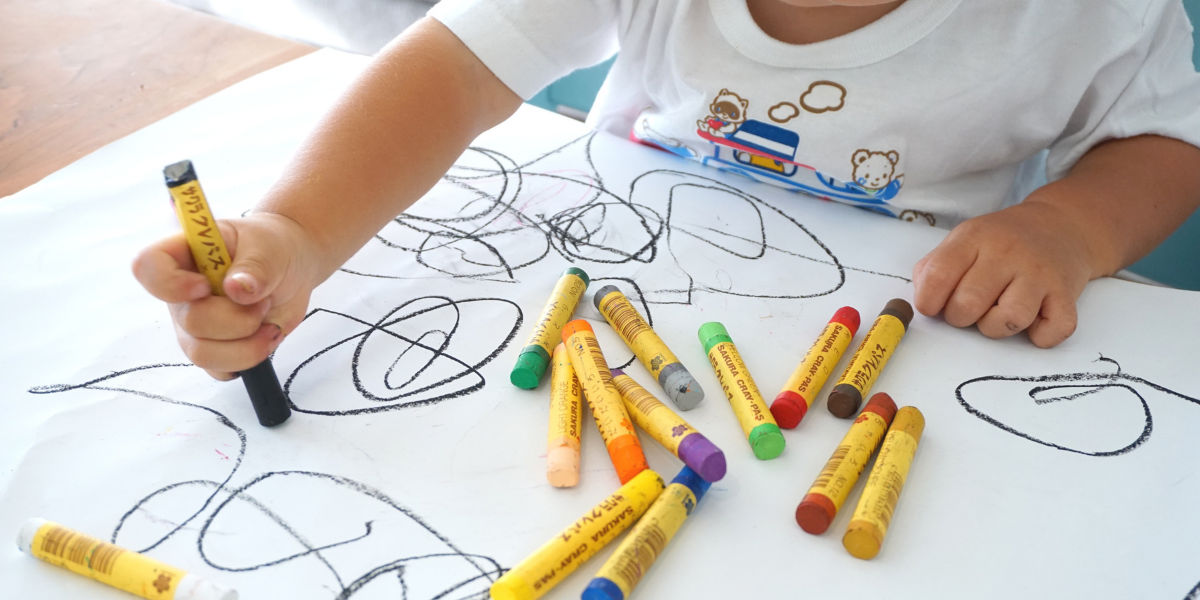
Fine motor skills and hand strength
Every time your child grips a crayon, marker, or coloured pencil, they’re building strength and control in the hands and fingers. These are the small muscles children rely on for everyday tasks like:
- Holding utensils
- Buttoning coats
- Turning pages
- Using scissors
- Eventually, forming letters and numbers
Colouring is especially helpful because it encourages repeated movement—small strokes, curves, and lines—without kids feeling like they’re “practising.”
Over time, that steady practice supports stronger hands and smoother control, which makes writing and classroom work feel easier later.
Hand-eye coordination
Colouring helps kids match what they see with what they do. Their eyes guide their hands as they move across a page, try to fill spaces, and aim for certain areas.
This kind of coordination supports a lot of important skills beyond art, including:
- Building with blocks
- Pouring water without spilling
- Catching or rolling a ball
- Learning to write with better accuracy
Even if a child colours far outside the lines, their brain is still learning how to coordinate movements with visual information—and that’s a big win.
Pencil grip and writing readiness
Many parents wonder when their child should “hold a pencil properly.” The truth is: grip develops gradually.
Colouring helps children naturally explore how to hold tools, how much pressure to use, and how to move their wrist and fingers together. With time, they develop the control needed for tracing, drawing shapes, and writing letters.
At Chapter1, we focus on supporting the process, not forcing a perfect grip too early. Children build confidence faster when they feel successful and encouraged.
Cognitive and learning benefits (focus, thinking, and early academics)
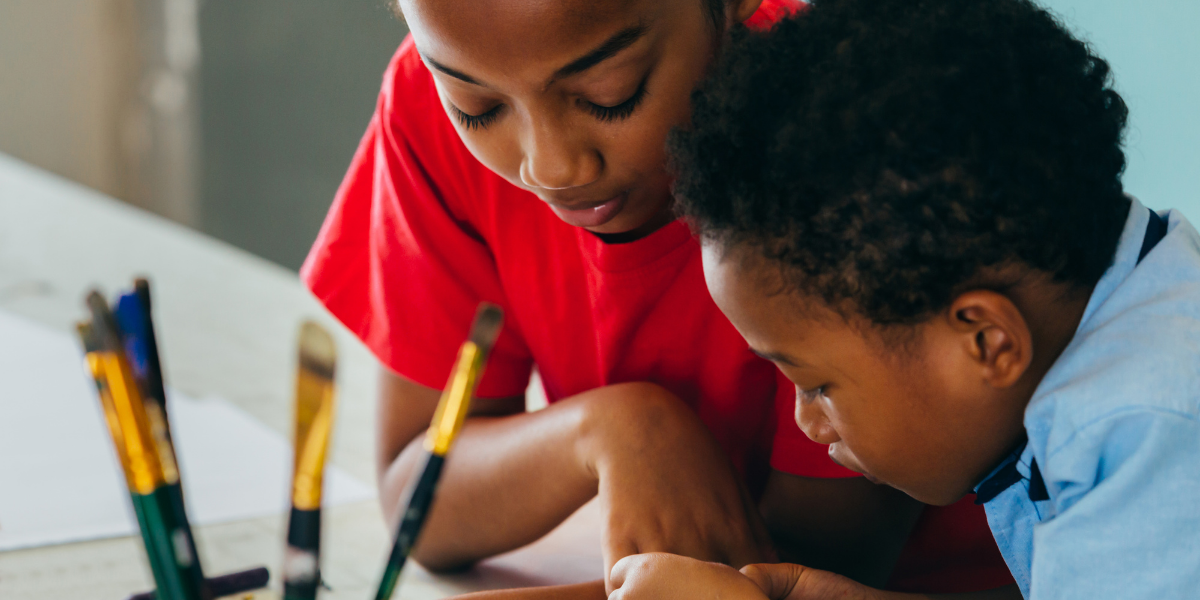
Focus and attention span
Colouring is one of the best screen-free activities for helping kids practise “staying with something.”
It invites children to concentrate on a single task for a little longer each time. That might mean 2 minutes for a toddler, or 15 minutes for a preschooler. Either way, they’re building the mental stamina that helps with:
- Following classroom routines
- Listening to instructions
- Completing small projects
- Transitioning between activities
It’s also a helpful way for children to slow down and feel grounded—especially after a busy morning or a big transition.
Planning and decision-making
Colouring looks simple, but it involves lots of tiny choices:
- What colour should this be?
- Where do I start?
- What happens if I use a dark colour first?
- Do I want to use one colour or many?
These decisions help kids practise early problem-solving and planning. They’re learning to think ahead, experiment, and make choices they feel proud of.
Learning colours, shapes, and patterns
Colouring supports early academic skills in a playful way, especially for toddlers and preschoolers.
Kids practise:
- Colour recognition (red, blue, green…)
- Shape awareness (circle, triangle, square…)
- Pattern noticing (stripes, dots, repeating colours)
- Spatial awareness (edges, boundaries, big/small spaces)
You can gently build learning into colouring without turning it into a “lesson.” A simple comment like “You chose all warm colours!” or “I see lots of circles here” goes a long way.
Emotional and social benefits (calm, confidence, and connection)

A calming activity that supports self-regulation
Colouring has a quiet, soothing rhythm. For many kids, it naturally helps their nervous system settle.
That’s why colouring can be a helpful tool during:
- Transitions (drop-off, after nap, before pickup)
- Big feelings (frustration, sadness, overstimulation)
- Busy weekends or family events
- Wind-down time before bed
It doesn’t solve emotions—but it gives children a safe way to slow down, breathe, and reset.
At Chapter1, we often use quiet creative activities as part of our daily routine because they help children feel steady and secure.
Self-expression without needing the perfect words
Young children often feel emotions before they can explain them.
Colouring gives kids a healthy outlet. Sometimes they choose bright colours when they feel excited. Sometimes they scribble hard when they feel frustrated. Sometimes they create gentle patterns when they feel calm.
The goal isn’t to “analyse” their artwork. It’s simply to give them a way to express themselves and feel heard.
A supportive phrase like “Tell me about your picture” is usually all they need.
Confidence and a sense of mastery
When kids complete a page, they feel proud. That feeling matters.
Colouring builds confidence because it’s achievable. Children can see what they created. They can show it to you. They can hang it up. They can say, “I made this.”
That sense of accomplishment builds motivation and resilience—and encourages kids to try new things.
Social skills when children colour together
Colouring can be independent, but it can also be a shared experience. When children colour side by side, they practise:
- Sharing crayons or markers
- Taking turns
- Asking for what they need
- Complimenting each other’s work
- Talking about their ideas
Even simple group colouring sessions can build connection and community—especially in preschool and pre-K.
Colouring at different ages (what to expect)

Every child develops at their own pace. Here’s what colouring often looks like across early childhood.
Infants and young toddlers (sensory exploration)
At this stage, “colouring” is more about exploring than creating a picture. Many children enjoy:
- Big chunky crayons
- Large paper
- Simple scribbling motions
- Short sessions
If the marks are messy, that’s normal. The goal is safe, supervised exploration and sensory learning.
Toddlers (19 months–3 years)
Toddlers start showing stronger control and more interest in colours. You may notice:
- More intentional scribbles
- Naming colours
- Trying to fill big areas
- Repeating favourite motions (circles, lines)
At this age, praise effort and excitement. A toddler who loves colouring is already building important skills.
Preschool (3–4.5 years)
Preschoolers often become more purposeful. They may:
- Choose colours for specific parts
- Try to stay in boundaries
- Create patterns
- Talk about their picture as a story
This is a great age to introduce simple themes—animals, seasons, community helpers, or storybook colouring pages.
Pre-Kindergarten (4–6 years)
Pre-K kids often build stronger focus and detail. You may see:
- More controlled grip and pressure
- Longer colouring sessions
- More interest in neatness
- More complex creative ideas
Colouring becomes a gentle bridge to writing readiness, since children are building endurance and control they’ll use in kindergarten.
Colouring “right” (without pressure)
Colouring inside the lines isn’t the goal
Parents sometimes worry when kids colour outside the lines. That’s completely normal—especially for toddlers and younger preschoolers.
Staying inside lines takes time, hand strength, and coordination. Pushing too hard too soon can make kids feel discouraged.
It’s better to focus on progress: stronger grip, more control, longer attention, more confidence.
Balance colouring pages with free drawing
Colouring pages are great because they offer structure. Free drawing is great because it builds imagination.
In an ideal world, children get both.
Some days, your child wants a colouring page and clear boundaries. Other days, they want a blank sheet and big creative freedom. Both support learning.
Easy ways to turn colouring into learning (without making it “school”)
If you want to gently add learning into colouring time, keep it simple:
- “Can you find three circles on this page?”
- “Let’s count how many stars you coloured.”
- “Can you choose two warm colours and two cool colours?”
- “Tell me a story about what’s happening in your picture.”
- “Try colouring lightly, then heavily—can you see the difference?”
These small prompts build language, thinking skills, and confidence—without taking away the fun.
What colouring looks like at Chapter1 Daycare
At Chapter1 Daycare, colouring is part of a bigger goal: helping children grow through hands-on, play-based learning.
We include creative activities like colouring, crafts, and art stations because they support:
- Fine motor development
- Emotional expression
- School readiness
- Confidence and independence
- Calm transitions throughout the day
And because we serve real working families, we also understand that children benefit from routines that feel safe, consistent, and nurturing—especially during longer days or non-traditional schedules.
Our educators guide children gently, celebrate progress, and keep the experience joyful—never pressured.
FAQs: Benefits of Colouring for Kids
What are the benefits of coloring for children?
Colouring helps children build fine motor skills, hand-eye coordination, focus, creativity, patience, and confidence. It also supports emotional expression and calm.
Why is color important for children?
Colour helps children notice patterns, recognize differences, express emotions, and build early learning skills like sorting and categorizing.
What are the learning outcomes of coloring?
Colouring supports colour and shape recognition, attention span, early planning skills, and pre-writing development through hand strength and tool control.
What are the physical benefits of coloring?
Colouring strengthens hand and finger muscles, improves grip, and builds the coordination needed for writing, cutting, and daily-life tasks.
How does colouring help with writing skills?
Colouring builds hand strength, control, and endurance—three key building blocks for tracing and writing letters later.
At what age should kids start colouring?
Many children can begin exploring safe colouring tools around 12–18 months with supervision, using chunky crayons and large paper.
Is colouring inside the lines important?
Not at first. Staying in the lines develops over time. The most important focus is building comfort, confidence, and control.
How can colouring help kids calm down or self-regulate?
The repetitive motion and quiet focus can help children slow down, reset, and feel more regulated—especially after big feelings or busy moments.
How often should kids colour?
Even a few minutes a day can help. Short, consistent sessions are more valuable than long sessions that feel forced.
What’s better: colouring pages or free drawing?
Both are helpful. Colouring pages offer structure and control practice; free drawing supports imagination and self-expression.
A warm next step for Calgary families
If you’re looking for a daycare that supports early learning through play, creativity, and consistent routines, Chapter1 Daycare is here for you.
With two Calgary locations (Cedarbrae and Royal Oak), caring educators, and flexible childcare options—including extended hours, night care, and weekend care—we make quality childcare more accessible for real families.
Book a tour or reach out today to learn about availability, programs, and transparent pricing. Every great story begins with Chapter1.