


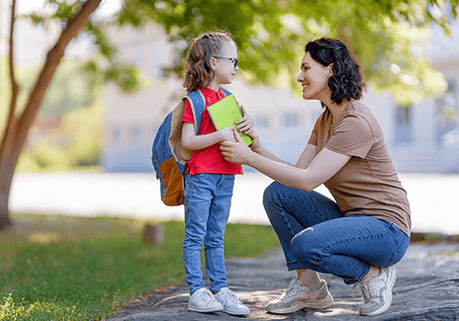
Starting kindergarten is a big moment for kids and parents. It’s exciting, emotional, and sometimes surprisingly hard. Even confident children can feel anxious when they’re suddenly facing new routines, a new classroom, new adults, and a full day away from home.
If your child is showing kindergarten anxiety crying at drop-off, clinging, saying they don’t want to go, or complaining about tummy aches you’re not alone. This is common, and for many children it’s temporary. The key is helping them feel safe without accidentally turning school avoidance into a long-term pattern.
This guide will help you understand what kindergarten anxiety looks like, why it happens, what you can do today (especially at drop-off), and when it’s time to seek extra support.
What kindergarten anxiety can look like
Kindergarten anxiety can show up in different ways. Some children express it clearly—others show it through behaviour or physical symptoms.
Emotional signs
Your child may cry, cling, or refuse to get ready. They may say they don’t want to go, ask repeated questions, or worry about being apart from you. Some children become extra sensitive, easily frustrated, or unusually quiet.
Physical signs
Anxiety often shows up in the body. Children may complain about stomach aches, headaches, nausea, or feeling “sick” right before school. They may have trouble falling asleep, wake up more during the night, or lose appetite at breakfast.
Behaviour changes
You may notice regressions needing more help with independence skills, toileting worries, or extra meltdowns after school. Some children become more controlling at home because they’re trying to regain a sense of safety after a day of change.
A helpful reminder: these signs don’t mean your child is “not ready.” They mean your child is adjusting.
Why kindergarten feels so big to little kids
Kindergarten isn’t just “a new class.” It’s a full lifestyle shift.
Children are managing:
-
Separation from their safe person
-
New rules and expectations
-
A louder, busier environment
-
More transitions throughout the day
-
New social dynamics
-
Uncertainty (not knowing what happens next)
Even if your child is excited, their nervous system may still react strongly to the change.
It also helps to remember that kids learn bravery through repetition. Confidence isn’t something they have before kindergarten it’s something they build by going, practising, and experiencing success.
Normal jitters vs. anxiety that needs extra support
A lot of kindergarten anxiety is part of the normal adjustment phase. Many kids struggle at first, then improve as routines become familiar.
Normal adjustment signs
Your child is upset before school but calms down after drop-off. Their worries come and go. They can still enjoy parts of the day, and overall, they slowly improve week by week.
Signs to watch more closely
It may be time to ask for extra support if your child’s anxiety is getting worse over time, not better. Also watch for intense physical symptoms (frequent vomiting or severe stomach pain), major sleep changes, loss of appetite that lasts, or daily panic-style reactions that interfere with school attendance.
This doesn’t mean something is “wrong.” It simply means your child may need additional support beyond the normal adjustment tools.
How to handle kindergarten anxiety
When children are anxious, parents often try to fix it by explaining more, reassuring more, or negotiating more. But anxiety doesn’t respond well to long conversations in the stressful moment. It responds better to structure, predictability, and calm confidence.
1) Build a predictable home routine
Routines reduce anxiety because they remove uncertainty. When your child knows what happens next, they feel safer.
Start with the basics:
Consistent bedtime and wake-up time
A steady morning flow (wake → dress → breakfast → brush teeth → shoes → out)
A calm evening routine that doesn’t feel rushed
A simple visual routine chart can help kids who want to know what’s coming next. Keep it short and easy.
2) Practice “mini separations”
Before kindergarten starts or during the first few weeks practice short separations in low-pressure ways. The goal is to teach your child that separation is safe and temporary.
Examples:
A short drop-off with a trusted family member
A quick errand while they stay with a familiar adult
A playdate where you step into another room for a few minutes
Always follow through on returning when you say you will. Predictability builds trust.
3) Visit and preview when possible
Familiarity reduces fear. If you can, visit the school, walk around the playground, or attend any meet-the-teacher opportunities. Even driving the route and pointing out landmarks can make the day feel less unknown.
At home, you can preview too:
Talk about what the classroom might look like
Practice opening lunch containers
Practice putting on a jacket and shoes quickly
Try the morning routine once or twice before the first day
These tiny “practice reps” reduce day-one stress more than you’d expect.
4) Create a quick, loving goodbye ritual
This is one of the most powerful tools for kindergarten separation anxiety. The goodbye ritual should be predictable, brief, and confident.
Pick a simple pattern:
One hug
One short phrase
One action (high five, handshake, secret wave)
For example: “I love you. You’re safe. I’ll see you after school. High five.” Then hand them off and go.
It’s tempting to linger to make them feel better, but lingering often makes things worse. It sends the message that school is uncertain and that your child needs rescuing. A quick, confident goodbye tells your child: “This is safe. You can do this.”
5) Validate feelings without feeding fear
Validation helps children feel seen. But the way we validate matters.
Helpful validation sounds like:
“It makes sense to feel nervous.”
“New things can feel scary.”
“You’re safe, and you can handle this.”
“I’ll come back at the end of the day—just like always.”
Try to avoid:
“There’s nothing to worry about.”
“You’re fine.”
“If you cry, I’ll stay.”
The goal is to acknowledge the feeling and still hold the boundary that school is happening.
6) Give small choices to restore control
Anxiety increases when children feel powerless. Small choices give them a healthy sense of control without changing the plan.
Offer two choices:
“Red shirt or blue shirt?”
“Walk in or hop in like a bunny?”
“Hold my hand or carry your backpack?”
Choices help children shift from panic to decision-making.
What to do at drop-off tomorrow
Drop-off is often where anxiety peaks. The best approach is consistent and calm, even if your child is emotional.
Try this flow:
-
Get down to their level
-
Say your short phrase
-
Do your ritual
-
Hand off to the teacher
-
Leave
A simple script that works:
“I know it feels hard. You are safe. I’ll see you after school. Love you.”
If your child cries, remind yourself: crying is not danger. It’s emotion. Most children settle quickly once they engage with the teacher and the classroom routine.
If you’re unsure, ask the teacher what they prefer. Many teachers have a tried-and-true handoff routine that helps children calm faster.
Calm-down tools kids can actually use
The best coping tools are simple and practices when your child is calm—not only in the middle of a meltdown.
The 3–3–3 rule (kid-friendly version)
The classic 3–3–3 grounding tool helps bring attention back to the present.
You can make it playful:
-
Name 3 things you can see
-
Name 3 sounds you can hear
-
Move 3 body parts (wiggle toes, roll shoulders, blink eyes)
Call it the “3–3–3 detective game.” Practice it at home when your child is calm so it becomes familiar.
Breathing that works for little kids
Long breathing instructions don’t work well for young children. Keep it visual.
Try:
“Smell the flower… blow the candle.”
Inhale like smelling a flower. Exhale like blowing out a candle.
Do a few rounds together before bed, in the car, or before school so it becomes a normal tool.
Comfort objects and “bravery items”
Some children feel better with a small comfort item—like a smooth stone in their pocket, a tiny heart sticker on their hand, or a family photo in their backpack.
The key is to use comfort items as a bridge, not a dependency. The comfort item helps them feel safe while they build confidence.
After-school decompression is part of the plan
Many children hold it together all day, then fall apart at home. This is common and is sometimes called “after school collapse.”
Support them with:
A snack soon after pickup
A calm, low-demand activity (play, drawing, books)
Connection time (sit together, cuddle, talk if they want)
Earlier bedtime during the first weeks if needed
Try to keep afternoons lighter during the adjustment period. Too many activities can overload an already-stretched nervous system.
How to treat anxiety in a 5-year-old (what parents can do first)
If your child is five and experiencing anxiety, the best first steps are supportive and structured—not intense.
Start with:
Predictable routines
Validation + confidence language
Gradual exposure (go to school, practice separation, repeat safe experiences)
Simple calming tools (3–3–3, breathing)
Teacher partnership (share what helps your child settle)
If anxiety is severe, persistent, or affecting daily life, it’s appropriate to consult a qualified child health professional for guidance and support. Getting help early can make transitions easier for everyone.
When to seek extra help
Consider reaching out for support if:
Your child’s anxiety is worsening over time rather than improving
Physical symptoms are intense and frequent
Sleep and eating are significantly disrupted
Your child is unable to attend school consistently
You feel unsure how to support them without escalating the struggle
Sometimes extra support is as simple as a meeting with the teacher, a school counselor check-in, or a conversation with your child’s healthcare provider to make sure nothing else is going on.
Chapter1 Daycare: Building Confidence Before Kindergarten
At Chapter1 Daycare, we know that kindergarten readiness is about much more than letters and numbers. It’s about emotional confidence, independence, and feeling secure in a group environment. That’s why our programs are intentionally designed to support each stage of early development in a calm, nurturing way.
In our Toddler Program (19 months to 3 years old), children begin practising gentle separation skills, simple routines, and early social interaction. They learn how to transition between activities, follow predictable daily rhythms, and build trust with caring educators all foundational skills that reduce anxiety later on.
As children move into our Preschool Program (3 – 4.5 years old), we focus on strengthening independence, classroom confidence, and communication skills. Preschoolers practice listening in group settings, expressing emotions appropriately, and navigating friendships all of which make the kindergarten classroom feel more familiar and less overwhelming.
Our Pre-Kindergarten Program (4 – 6 years old) is specifically designed to prepare children for the kindergarten transition. Through structured early-learning activities, consistent routines, social-emotional guidance, and age-appropriate academic exposure, children develop the resilience, confidence, and adaptability they need to enter school feeling capable and secure.
Families Choose Chapter1 because we combine play-based learning with predictable structure, warm teacher relationships, and flexible care options that support real family schedules — including extended hours when needed. When children feel emotionally safe and confident in their early years, the leap into kindergarten feels less scary and much more manageable.
A gentle final reminder
Kindergarten anxiety doesn’t mean you’ve done anything wrong and it doesn’t mean your child isn’t ready. It usually means they’re adjusting to something big.
Keep routines steady. Keep drop-offs short and loving. Validate feelings without changing the plan. And remember: confidence grows with repetition. Each day your child shows up, they’re practising bravery and that bravery gets easier over time.
FAQs
How to handle kindergarten anxiety?
Use predictable routines, practice small separations, preview the school environment, and create a quick, loving goodbye ritual. Validate feelings while staying confident and consistent.
What are the symptoms of anxiety in kindergarten?
Common symptoms include crying at drop-off, clinginess, avoidance, stomach aches, headaches, sleep trouble, appetite changes, and emotional meltdowns after school.
How to treat anxiety in a 5-year-old?
Start with routines, reassurance, and gradual exposure. Teach simple coping tools like breathing and 3–3–3 grounding. Partner with the teacher, and seek professional support if anxiety is severe or persistent.
What is the 3-3-3 rule for anxiety children?
It’s a grounding technique: name 3 things you see, name 3 sounds you hear, and move 3 body parts. It helps kids shift from worry to the present moment.
How long does kindergarten anxiety last?
For many children, it improves as routines become familiar. Some kids adjust in a few days, others take several weeks. If anxiety persists or worsens over time, consider getting extra support.
What should I say at kindergarten drop-off?
Keep it short and confident: “You’re safe. I love you. I’ll see you after school.” Add a consistent goodbye ritual like a hug and a high five.
Is it okay to send a comfort item to school?
Often yes, if the school allows it. A small item can help your child feel secure while building confidence. Keep it simple and predictable.
What if my child is fine at school but melts down at home?
That’s common. After-school meltdowns can be a sign your child worked hard to cope all day. Support them with snacks, calm time, and earlier bedtimes during the first weeks.