


Winter in Calgary can be long, cold, and full of days where going outside just isn’t possible. When temperatures drop and sidewalks freeze, many parents wonder how to keep their little ones active, happy, and moving indoors. Kids have so much energy. And when they can’t burn it off outside, it often shows up as restlessness, crankiness, and endless requests for screen time.
The good news? You don’t need a big house, fancy toys, or a full home gym to keep your child active all winter long. Simple, low-cost indoor winter activities can fill your home with laughter, movement, and playful learning. At Chapter1 Daycare, we build active play into every winter day—so we’re sharing our favourite ideas to help your child stay busy, engaged, and moving, right at home.
Let’s explore why winter movement matters and how you can bring fun, creative activities into your living room.
Why Staying Active in Winter Matters
When cold weather limits outdoor play, children naturally move less. That can affect their growth, mood, and even sleep.
Physical activity helps children build strong bones and muscles. It improves balance, coordination, and confidence. Movement also helps regulate sleep and appetite—two things that can get disrupted when routines change in winter.
But the benefits go beyond physical health. Movement is one of the fastest ways to improve a child’s mood. It helps reduce anxious feelings, releases stress, and boosts energy. For young children, especially toddlers and preschoolers, movement is how they learn. When they jump, crawl, stretch, and dance, they’re building brain connections that support language, attention, and emotional regulation.
Health experts often recommend at least 60 minutes of active play for young children each day. The good news is that this does not need to be one full hour. Small bursts throughout the day add up. Five minutes here, 10 minutes there—every bit helps.
That’s exactly how we structure movement at Chapter1. Short, playful activities between crafts, story time, and quiet play keep children engaged and active all winter long.
Simple Indoor Winter Activities You Can Do in Any Home
Indoor play doesn’t have to be complicated. These fun ideas work in apartments, condos, basements, and even the smallest living rooms.
DIY Obstacle Courses
This is one of the easiest—and most loved—activities for winter days. Use what you already have at home. Pillows become stepping stones. Chairs become tunnels. Tape can mark a “balance beam” line.
Children can crawl under tables, hop over cushions, weave around stuffed animals, or toss a soft toy into a laundry basket. You can change the course each time to keep it exciting.
Even older toddlers and preschoolers enjoy setting up the course themselves. It gives them ownership and encourages problem-solving.
Dance Parties and Freeze Games
Put on your child’s favourite songs and dance around the living room. Add a freeze game where everyone stops when the music pauses. Kids love this, and it burns plenty of energy in just a few minutes.
Dance breaks are perfect between screen time, homework, or quiet play. They reset mood and energy quickly.
Indoor Scavenger Hunts
Scavenger hunts are easy to set up and great for keeping kids moving. Ask your child to find something red, something soft, something from their bedroom, or something that makes them smile.
For toddlers, keep clues simple. For preschoolers, make the hunt more active—“run to your room, find your favourite book, and bring it back.”
This builds movement, language, and early problem-solving skills.
Soft Sports and Balloon Games
A balloon can turn any room into a playful space. Try balloon volleyball, balloon keep-up, or balloon soccer. These games are gentle, safe, and fun for all ages.
You can also create a simple bowling game using plastic cups and a soft ball. Or use rolled-up socks to create indoor “snowballs” for tossing challenges.
Just make sure the space is clear, and remove anything breakable.
Age-Appropriate Indoor Winter Activities Ideas for Infants, Toddlers, and Preschoolers
Each age group enjoys movement differently. Here are simple ways to support their development at home this winter.
Activities for Infants (3–18 months)
Infants don’t need structured games. Their bodies learn naturally through gentle, supportive movement.
Tummy time is still essential in winter. Place toys slightly out of reach to encourage reaching and rolling. Mirrors are also great tools—babies love watching themselves move.
Try slow, playful motions like bicycle kicks, leg stretches, or helping them sit supported while exploring soft toys. These little movements help build strength and body awareness.
Activities for Toddlers (19 months–3 years)
Toddlers love anything that feels like a game.
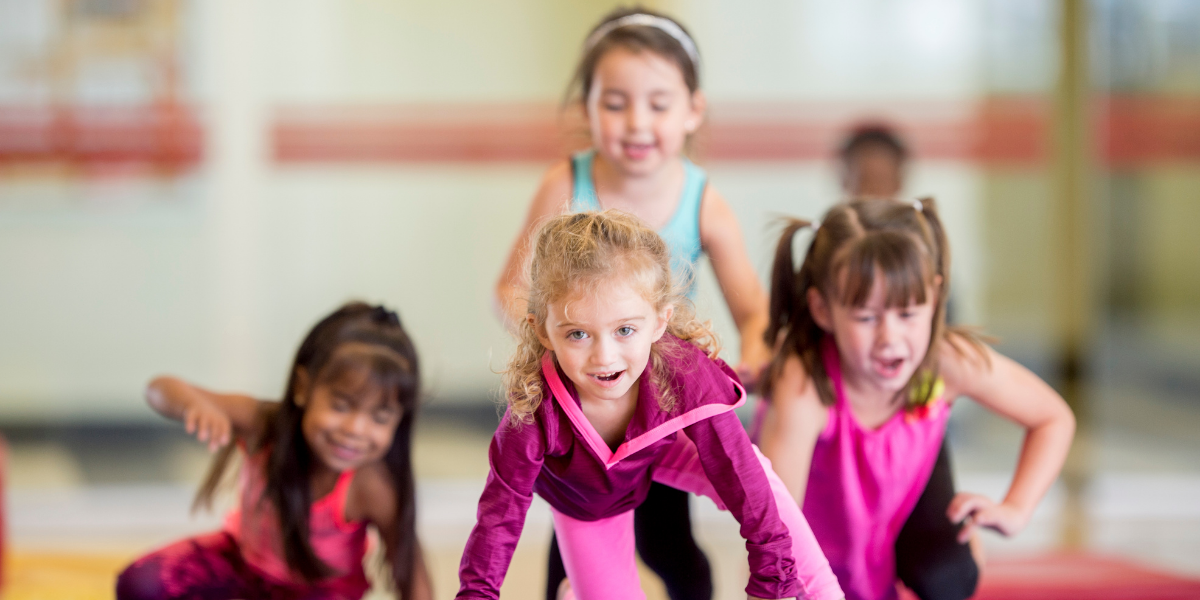
Animal walks are a great way to keep them moving: bear crawls, frog jumps, crab walks, or duck waddles. They help toddlers burn energy and strengthen large muscle groups.
You can also set up cushion stepping stones for balance practice or make a simple tunnel using a blanket draped over chairs. Toddlers will crawl through again and again.
Activities for Preschoolers and Pre-K (3–6 years)
Preschoolers are ready for more structured movement.
Kids’ yoga is a wonderful winter activity. Use animal-themed poses like butterfly, cat, dog, or tree. Keep sessions short—just a few moves at a time.
Simple relay races are also fun. Ask your child to run to their room, grab a toy, run back, and do a silly action like five star jumps or a big stretch.
Preschoolers enjoy being leaders, so let them invent their own games too.
Brain-Boosting Indoor Winter Activities That Still Get Kids Moving
Not all indoor movement has to be high-energy. Some of the best learning activities involve gentle movement, imagination, and creativity.
Active Pretend Play
Pretend play naturally includes movement. A “restaurant” involves walking around and delivering food. A “construction site” involves carrying blocks. A “vet clinic” involves setting up spaces and helping stuffed animals.
Children stay active without even realizing it.
Build and Move Games
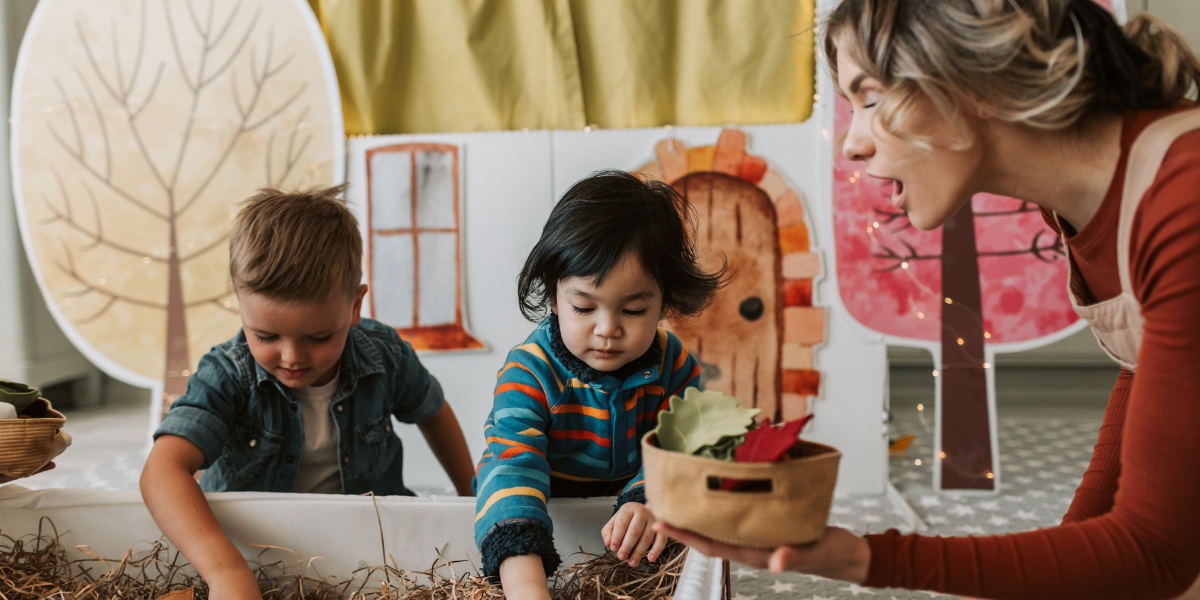
Building blanket forts encourages crawling, climbing under, and creative setup. Once the fort is built, it becomes a cozy space for reading or quiet time.
Building roads, train tracks, or block cities also keeps kids moving around the room as they create and explore.
Smart Use of Screens
Screens aren’t the enemy—it’s how they’re used. A short dance-along or kids’ yoga video can be a helpful tool on busy days. Just treat it as a guided movement session, not background noise.
Join in with your child when you can. Kids love when parents participate.
Calgary Indoor Winter Activities for Families
When cabin fever hits, sometimes you just need to get out of the house.
Calgary has many indoor, kid-friendly options:
-
Calgary Public Library branches offer story time, movement songs, and safe children’s areas.
-
City of Calgary recreation centres have pools, play areas, and drop-in programs.
-
Indoor playgrounds and trampoline parks offer big movement on cold days.
Always check age lists, hours, and driving conditions. Quick outings like these can make winter feel easier for everyone.
How Chapter1 Daycare Keeps Kids Moving All Winter
At Chapter1 Daycare, active play is built into every winter day at both our Cedarbrae and Royal Oak locations. Even when it’s freezing outside, children move, stretch, dance, and explore all day long.
Our routines include energetic morning circles with songs and actions. After crafts or story time, we offer movement breaks that help children reset and refocus. We use soft equipment, tunnels, ride-on toys, and sensory paths to build skills safely indoors.
Infants practice gentle movement and sensory exploration. Toddlers jump, crawl, and climb through guided activities. Preschoolers enjoy yoga, dance, group games, and imaginative play.
We also offer night, weekend, and extended-hour care—something many Calgary families rely on. Even during these hours, children stay engaged with calm movement activities like stretching, simple yoga, or quiet dance before bedtime routines.
We believe movement supports healthy bodies, strong minds, and confident hearts. And we love partnering with parents by sharing simple ideas you can use at home too.
Tips for Building a Winter Movement Routine at Home
You don’t need a perfect schedule—just a little structure and consistency.
Try creating a simple rhythm like:
-
A quick dance right after breakfast
-
A scavenger hunt or animal walk after nap time
-
A gentle stretch or yoga session before bed
Keep a small “movement basket” with scarves, balloons, tape, and soft balls. When your child gets restless, pull out one or two items and let the play begin.
Most importantly, keep safety in mind. Clear the floor, move sharp items, and use grippy socks or bare feet. And remember—some days will be less active than others, and that’s okay. Every family has ups and downs.
Winter is long, but it doesn’t have to feel heavy. A little movement goes a long way.
FAQs
How can I keep my child active indoors in a small space?
Try balloon games, freeze dance, or simple obstacle courses using pillows and tape. Small spaces work perfectly for quick, fun bursts of movement.
What are easy indoor activities for toddlers in winter?
Animal walks, tunnels, cushion stepping stones, and simple scavenger hunts keep toddlers busy and active.
How much physical activity does my preschooler need each day?
Around 60 minutes of active play spread throughout the day. Short bursts add up quickly.
How can I reduce screen time in winter?
Use screens intentionally—dance-alongs or yoga videos—then turn them off and encourage hands-on play.
What indoor activities does Chapter1 Daycare offer in winter?
We provide daily movement blocks, sensory play, yoga, dancing, obstacle courses, and safe indoor gross-motor activities.
Are indoor games enough to replace outdoor play?
While outdoor play is wonderful, indoor activities can still support healthy growth, movement, and learning during colder months.
How can I involve my child in choosing activities?
Offer two or three options. Children love feeling included, and choosing builds independence.