


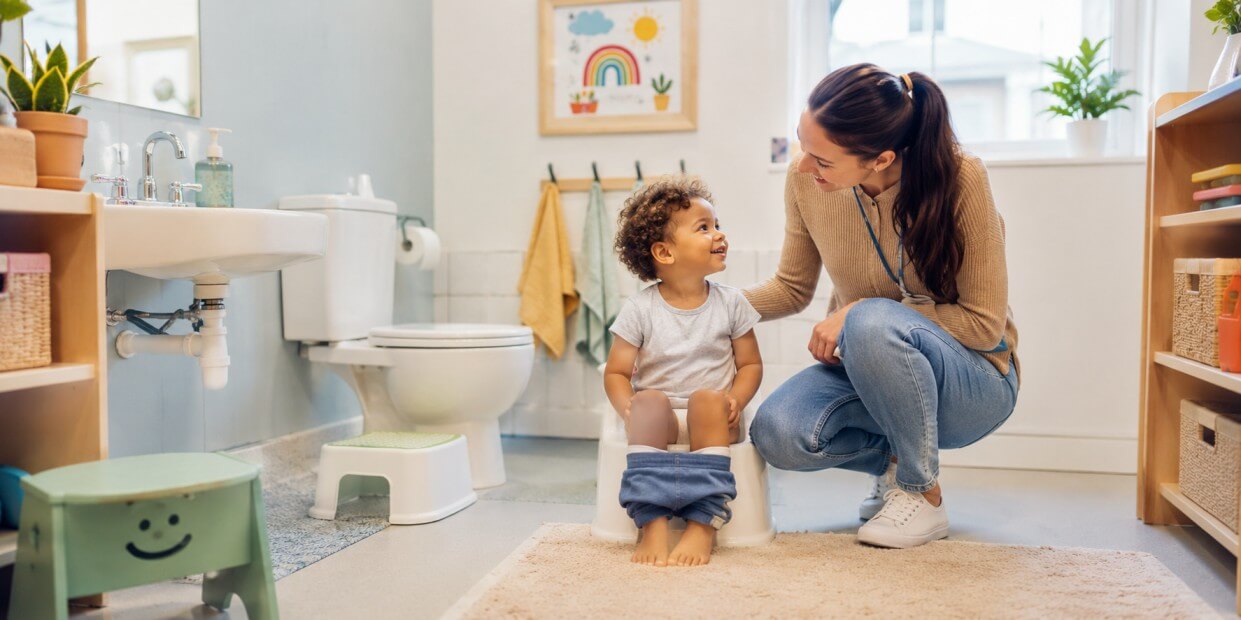
Potty training can feel like a big step for any family. It often brings a mix of excitement, worry, hope, and a lot of questions, especially when your child is also spending part of the day in daycare. Many parents wonder whether they should wait, push forward, or try to get everything perfect before talking to their childcare provider.
The good news is that potty training does not need to be perfect to be successful. Most children learn best when the adults around them stay calm, consistent, and patient. When home and daycare work together, the process usually feels smoother and less stressful for everyone involved.
Why Potty Training Can Feel Harder When Your Child Goes To Daycare
Potty training at home is one thing. Potty training while your child moves between home, daycare, outings, and different routines can feel much more complicated. Your child is learning a new skill while also adjusting to different bathrooms, different reminders, and different expectations.
That does not mean daycare makes potty training harder in a negative way. It simply means your child needs consistency. If the language, schedule, and support feel similar in both places, children are more likely to understand what is expected and build confidence over time.
For many families, potty training starts around the same stage they are also thinking about developmental readiness, classroom routines, and whether their child is in the right program.
How To Tell If Your Child Is Ready
Readiness matters more than pressure. A child does not need to master every sign before beginning, but there should be a pattern that suggests they are becoming more aware of their body and more interested in using the toilet.
Physical Signs Of Readiness
Many children begin showing physical readiness by staying dry for longer stretches during the day. They may also have more predictable bowel movements, which makes it easier to build a potty routine around likely times.
You may also notice that your child pauses while peeing, hides when they need to poop, or seems uncomfortable in a wet or soiled diaper. These are small but important clues that body awareness is developing.
Emotional And Behavioral Signs
Some children start talking about the bathroom, copying adults or older siblings, or asking questions about underwear and the toilet. Others show readiness by wanting more independence and taking pride in doing things on their own.
A child who can follow simple directions, sit briefly when asked, and tolerate small changes in routine may also be better prepared for potty training. Interest matters because learning tends to go better when the child feels included rather than pushed.
Signs It May Be Too Early
If your child becomes very distressed at the idea of the potty, has major life changes happening, or shows no awareness of wetness at all, it may be worth waiting a little longer. Potty training is not a race, and starting too early can create stress for both the child and the adults.
Sometimes a short pause is the smartest move. A few weeks can make a noticeable difference in maturity, communication, and cooperation.
Start At Home Before Expecting Daycare Success
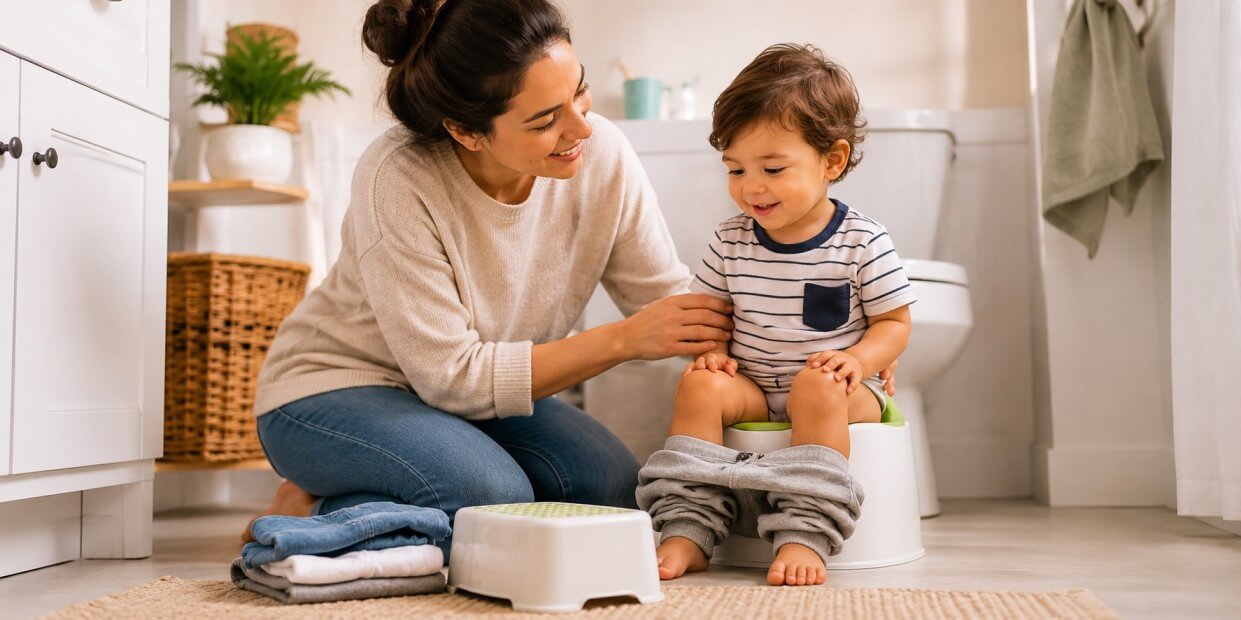
It is usually easier for children to begin potty training at home first. Home feels familiar, the bathroom is easier to access, and parents can respond more quickly to cues and accidents. Even a few focused days at home can help build the first layer of understanding.
That home foundation does not need to be dramatic. It simply means giving your child a chance to connect the feeling of needing to go with sitting on the potty, trying, and learning what comes next.
A simple starting plan often includes:
- regular potty visits throughout the day
- easy-to-remove clothing
- lots of praise for trying
- calm responses to accidents
- a clear routine after meals, before outings, and before naps
The goal is not instant perfection. The goal is familiarity. Once your child begins to recognize the routine at home, daycare can reinforce that same habit during the day.
Create The Same Routine At Home And Daycare
Consistency is one of the biggest factors in daycare potty training success. Children learn faster when the adults around them use similar words, similar timing, and similar expectations. When the routine changes too much from one setting to another, the child can become confused.
Before training begins in earnest, talk to your daycare team about how potty breaks are handled in the classroom. Ask when children are typically invited to try, how teachers respond to accidents, and whether the class uses reminders during transitions.
Use The Same Words And Cues
If your child says “potty,” “pee,” or “bathroom,” try to keep those words consistent across home and daycare. The same applies to cues like “Let’s try before snack” or “Tell me when your body feels like it has to go.”
Simple, repeated language helps toddlers connect the feeling, the action, and the routine. Children do better when there is less guessing and more predictability.
Keep Timing Realistic
Some children need reminders every 45 to 60 minutes at the beginning. Others do better with potty trips tied to daily transitions, such as arriving, before outdoor play, after lunch, and before nap time.
What matters most is keeping the routine realistic for a classroom setting. Your child may get more one-on-one attention at home, but daycare routines can still be very effective when they are built into the day naturally.
What To Pack For Potty Training At Daycare
One of the simplest ways to reduce stress is to send more supplies than you think your child will need. Accidents are normal, and the last thing parents want is a mid-day call because there are no more clean pants or socks left in the bag.
A potty training daycare bag usually works best when it includes:
- several pairs of underwear
- two or three full changes of clothes
- extra socks
- easy-on pants or leggings
- a labeled wet bag or plastic bag for soiled items
- spare shoes if possible
Avoid complicated outfits with tight waistbands, buttons, or layers that are hard for little hands to manage. The easier it is for your child to act quickly, the more confidence they build.
Underwear, Pull-Ups, And Nap Time Questions
This is one of the biggest areas where families and daycare staff need to be aligned. Some centres prefer underwear during waking hours. Others may allow training pants or ask families to send pull-ups for nap time only. Neither approach works well unless everyone knows the plan.
If your child is in the early stage of learning, ask your daycare what they recommend and how they handle naps. Daytime potty training and staying dry during sleep are two different milestones. Many children stay dry during active parts of the day before they are ready to stay dry during naps or overnight.
That is normal. Parents should not feel discouraged if nap time takes longer. What matters is that the approach is clear, calm, and consistent.
How To Handle Accidents Without Shame
Accidents are part of the learning process. They are not a sign that potty training has failed, and they are not a sign that your child is being difficult. They usually mean your child is still learning how to notice the urge, stop what they are doing, and get to the bathroom in time.
Try to keep your reaction steady and neutral. Help your child clean up, change clothes, and move on. Big emotional reactions can make children feel embarrassed or anxious, which sometimes leads to even more resistance.
It also helps to praise effort, not just success. A child who tells an adult too late, sits willingly, or starts to notice wetness is still making progress. Small steps matter.
If your child is also adapting to a new classroom routine, you may find it may be useful how long it takes a child to adjust to daycare because adjustment and potty learning often overlap in real family life.
What To Do If Progress Stalls
Potty training is rarely a straight line. A child may do very well for several days and then suddenly begin having more accidents. This can happen during illness, travel, sleep changes, new routines, or periods of emotional stress.
When progress stalls, it usually helps to go back to basics. Shorten the time between potty breaks, simplify clothing, and reconnect with your daycare team about what they are seeing. Often, a few small adjustments are enough to help your child settle back into the routine.
When It Makes Sense To Pause
Sometimes the best decision is to pause and try again later. If your child is highly resistant, very upset, or showing little awareness after a steady effort, a short break may reduce stress and lead to better results later.
A pause is not giving up. It is simply choosing a better time. Children develop quickly, and a few weeks can bring more readiness, better communication, and more cooperation.
Questions Families Should Ask Their Daycare

Parents do not need to have every answer before starting, but a few clear questions can make the process much smoother. Good communication early on helps avoid frustration later.
Ask your daycare team:
- How often do children get potty reminders?
- What should we pack during training?
- Do you prefer underwear or training pants?
- How are accidents handled in the classroom?
- What happens during nap time?
- How will we share updates about progress?
These questions help families build a plan instead of just hoping for the best. Potty training works better when both sides know what the child needs.
Why The Right Daycare Environment Matters
A supportive daycare can make a meaningful difference during potty training. Children benefit from predictable routines, calm guidance, and caregivers who understand that self-help skills take time to build. They also do better in spaces where independence is encouraged in age-appropriate ways.
That is one reason many Calgary parents look closely at how a centre approaches early learning as a whole. A strong play-based daycare in Calgary can support potty training naturally by building confidence, routine, communication, and independence through everyday moments. At Chapter1 Daycare, families also value that potty training is viewed as one developmental step within a broader journey of social, emotional, and school-readiness growth. That same supportive mindset matters whether a child is moving through toddler milestones, exploring what children should learn in preschool, or preparing for the next stage through programs like pre-kindergarten in Cedarbrae.
Potty Training Looks Different For Every Family
Some children train quickly. Others take more time. Some are ready at home before they are ready at daycare. Others seem to catch on better once they see the classroom routine and follow what older children are doing.
That variety is normal. Families often compare timelines, but potty training is not something children all do on the same schedule. The more helpful question is whether your child is gradually building awareness, confidence, and consistency over time.
Final Thoughts
Potty training at daycare works best when families focus on readiness, consistency, and patience rather than perfection. Children are learning a big new skill, and they need calm support from the adults around them as they figure it out.
When home and daycare stay connected, the process becomes less overwhelming and more manageable. A practical plan, simple routines, and a lot of encouragement can go a long way in helping your child feel proud, capable, and ready for this next step.
FAQs
How Do I Know If My Child Is Ready For Potty Training At Daycare?
Look for a mix of physical awareness, interest in the bathroom, and the ability to follow simple instructions. Staying dry for longer periods and showing discomfort with a wet diaper are also helpful signs.
Should I Start Potty Training At Home Before Daycare?
In most cases, yes. A short home foundation helps your child learn the basic routine in a familiar setting before trying to apply it in a busier classroom environment.
What Should I Send To Daycare During Potty Training?
Send multiple changes of clothes, extra underwear, socks, and a bag for wet items. Easy-on clothing makes a big difference because it supports independence and faster bathroom trips.
What If My Child Has Accidents Every Day At Daycare?
Daily accidents can still be part of normal learning, especially at the beginning. Check whether your child needs more frequent reminders, easier clothing, or a more consistent routine between home and daycare.
Are Pull-Ups Okay During Potty Training?
That depends on your child and your daycare’s approach. Some families use underwear during the day and pull-ups only for naps or sleep, while others transition more gradually.
How Long Does Potty Training Usually Take?
There is no single timeline. Some children make quick progress in a few weeks, while others need several months of practice, setbacks, and routine-building before it feels consistent.
What If My Child Refuses To Use The Potty At Daycare?
Try to find out whether the issue is timing, fear, privacy, or a change in routine. Gentle encouragement, consistent language, and a short pause from pressure can help reset the experience.
Can Daycare Teachers Help With Potty Training?
Yes, many daycare teachers support potty training every day through reminders, routines, and calm guidance. The strongest results usually happen when families and teachers work as a team.