


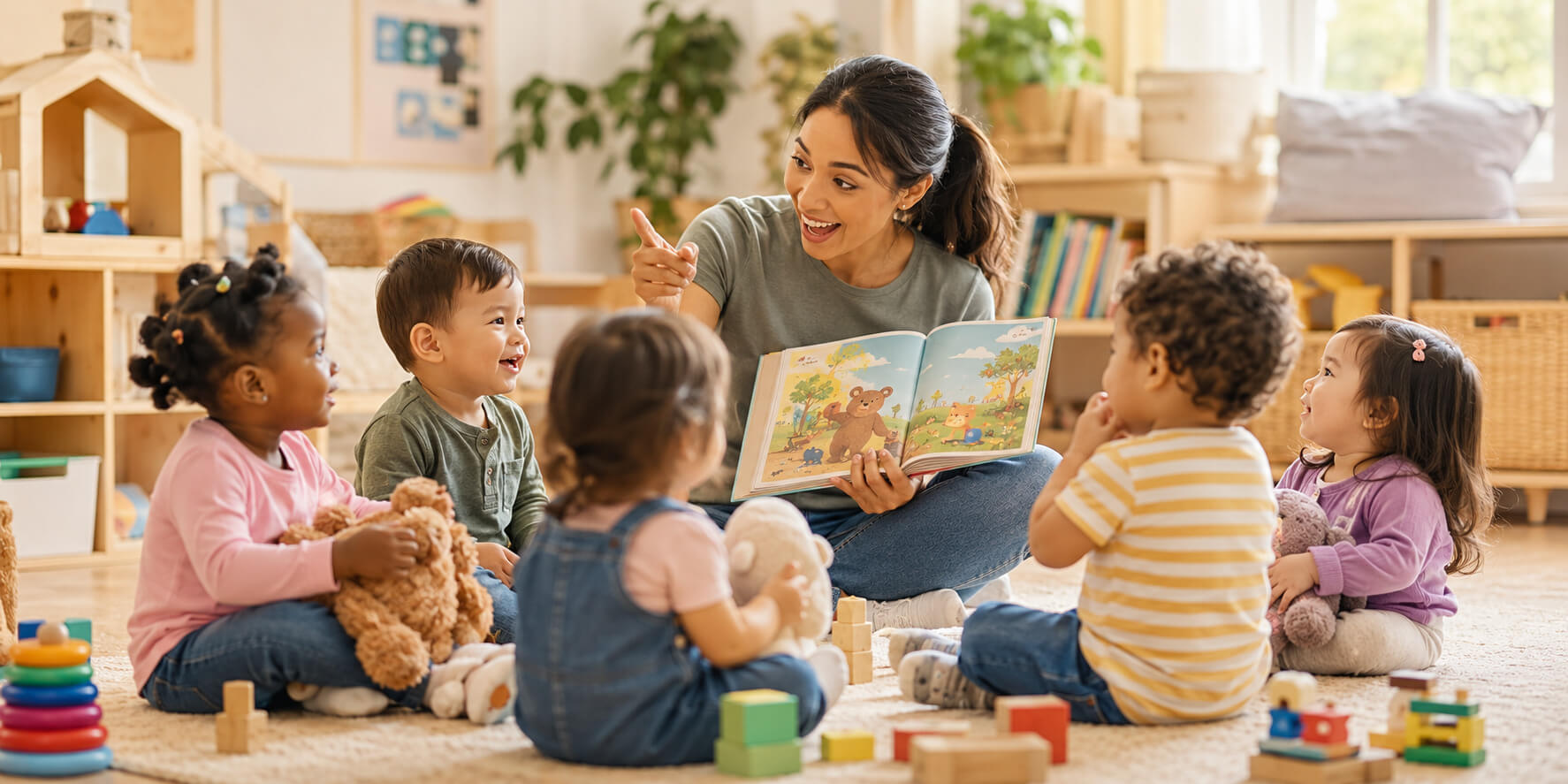
The toddler years are full of exciting changes. One day your child is pointing, babbling, and using a few familiar words. Before long, they are naming objects, copying phrases, asking questions, and expressing their feelings in new ways. Language development often happens quickly during this stage, but it grows best when children are surrounded by responsive adults, meaningful routines, and regular social interaction.
That is one reason quality daycare can make such a positive difference. In the right setting, toddlers hear language throughout the day, from greetings in the morning to songs, stories, mealtime conversations, and play with other children. These daily moments help build vocabulary, confidence, listening skills, and early communication habits that support later learning.
Why the Toddler Years Matter for Language Growth
Toddlers are in an important stage of development. They are learning how words connect to people, objects, actions, and emotions. They are also learning that communication is a two-way experience. When a child points to something, makes a sound, or says a word and a caring adult responds, that back-and-forth helps language grow.
This stage is not just about saying more words. It is also about understanding what others say, following simple directions, taking turns in conversation, and beginning to use language in social situations. These early skills build the foundation for confidence, relationships, and school readiness later on.
Children develop at their own pace, but regular exposure to warm, responsive communication gives toddlers more chances to practice and progress. That is where daycare can become such a valuable part of the learning environment.
How a Daycare Setting Creates More Opportunities to Communicate
At home, toddlers may have one-on-one interactions with parents and family members. In daycare, those opportunities often multiply throughout the day. Children hear educators talk during transitions, activities, snack time, outdoor play, and group routines. They also hear other children speaking, laughing, asking, answering, and experimenting with language.
This repeated exposure matters. Toddlers learn language best through real experiences, not memorization. When an educator says, “Let’s wash your hands before lunch,” “You found the red block,” or “Would you like more apples?” the child connects words to actions and meaning in the moment.
A well-structured program also supports the kind of consistency that toddlers need. If you have already seen how predictable days can help your child feel secure, the value of routine becomes even clearer in language development too. Consistent patterns, like the ones discussed in the importance of routine for toddlers in daily life, help children understand language before they are ready to use it more confidently themselves.
Responsive Educators Help Toddlers Build Stronger Communication Skills
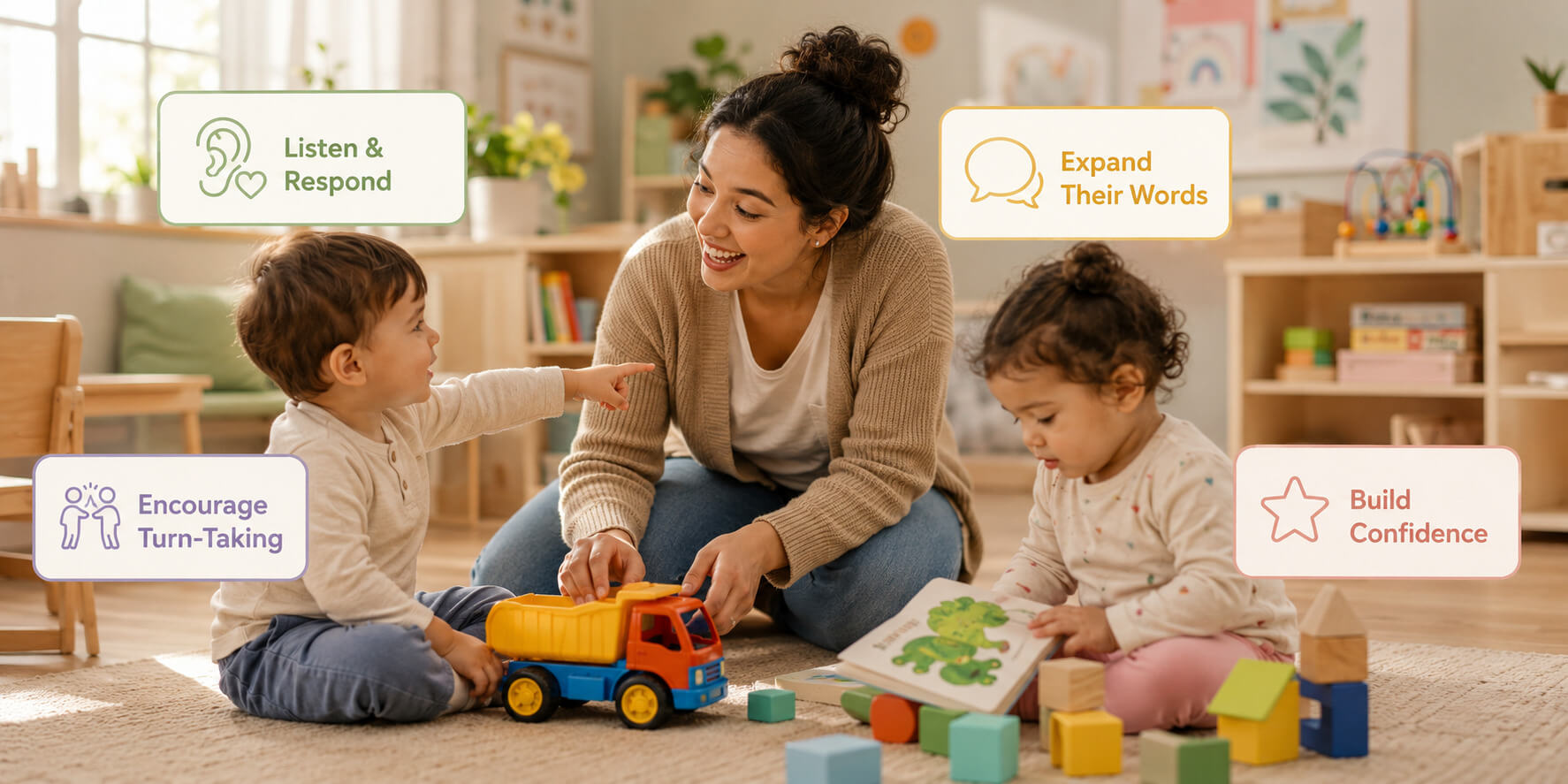
One of the most important ways daycare supports language development is through responsive adult interaction. Toddlers need more than words around them. They need caring adults who notice what they are trying to communicate and respond in a thoughtful way.
For example, if a toddler points to a truck and says, “Truck,” an educator might respond, “Yes, that is a big blue truck,” or “The truck is moving fast.” This kind of response builds vocabulary and shows the child how short expressions can grow into fuller language.
These small moments happen naturally all day long. Educators can:
- name objects, colours, actions, and feelings
- repeat and expand a child’s words
- ask simple questions during play
- encourage turn-taking in conversation
- use songs, books, and routines to reinforce language
Over time, toddlers start to understand more, say more, and communicate with greater confidence. They also learn that their words, sounds, and gestures matter, which strengthens both language and emotional development.
Peer Interaction Gives Toddlers More Reasons to Use Words
Toddlers do not learn language only from adults. They also learn from other children. In a daycare environment, they watch peers ask for toys, join games, respond to instructions, and express wants and feelings. Even when they are not speaking much yet, they are listening and learning.
This social environment can be especially helpful because toddlers often feel motivated to communicate when they want to participate. They may use words to ask for a turn, follow a game, call a friend’s name, or copy a phrase they hear often. Group play gives them a real reason to use language, not just repeat it.
This is one of the many benefits parents often notice in settings with thoughtful supervision and small-group interaction. In fact, the value of close interaction is one reason small daycare class sizes can support early learning so well. Children get more chances to be heard, more space to join conversations, and more meaningful support from educators during the day.
Play-Based Learning Supports Language in a Natural Way
Toddlers learn best through play. When they are building with blocks, pretending to cook, singing action songs, or exploring sensory materials, they are doing much more than staying busy. They are learning how words connect to experiences.
Pretend play is especially valuable for language development. A child serving pretend food might say “eat,” “more,” or “hot.” An educator can build on that by adding phrases like “Let’s stir the soup” or “The baby is hungry.” These interactions help children hear richer language while staying engaged in something enjoyable.
Storytime also supports language growth by introducing new words, sounds, and patterns. Songs and rhymes help toddlers hear repetition, rhythm, and pronunciation in a way that is easy to remember. Sensory play creates opportunities to describe textures, actions, and feelings using simple, real-world language.
At Chapter1, play-based learning is part of a broader early-learning approach designed to support curiosity, confidence, and development. Families exploring program options for different age groups often find that a strong daily mix of guided learning and hands-on play creates the most meaningful environment for growth.
Daily Routines Build Listening and Understanding
Language development is not only about speaking. It also depends on understanding. Toddlers first learn to connect words with actions and expectations before they use those words regularly themselves.
That is why daily routines matter so much. Repeated parts of the day, like arrival, clean-up, meals, diapering, circle time, and outdoor play, give toddlers many chances to hear the same useful words and phrases in context. Over time, these repeated patterns strengthen listening and comprehension.
For example, a toddler may hear “Time to put on your shoes,” “Let’s sit for snack,” or “Please put the book back” every day. Even before they repeat these phrases, they begin to understand what they mean. That understanding lays the groundwork for stronger verbal communication later.
A balanced schedule also helps children feel secure, which supports participation and confidence. Parents who want a better picture of what a structured day can look like can get helpful context from Chapter1’s daily activity plan, where learning, play, movement, meals, and rest all work together to support healthy development.
Mealtimes, Stories, and Everyday Moments All Count
Parents sometimes picture language development as something that happens during formal teaching time, but toddlers learn just as much during ordinary parts of the day. Snack time, outdoor play, handwashing, and transitions can all be rich with communication.
Mealtimes are a good example. Children hear names of foods, requests, and social language like “please,” “more,” and “thank you.” They also hear conversation around taste, colour, and routines. A setting that values healthy meals and shared conversation supports more than nutrition alone. It also creates opportunities for language and connection, which is one reason many families appreciate having access to a weekly menu built around children’s needs.
Books and songs are equally powerful. Repetition helps toddlers remember sounds and words. Familiar stories build listening skills. Music encourages participation, imitation, and joyful expression. When these moments happen every day, language growth becomes part of the rhythm of childhood.
Signs Your Toddler’s Language Skills May Be Growing
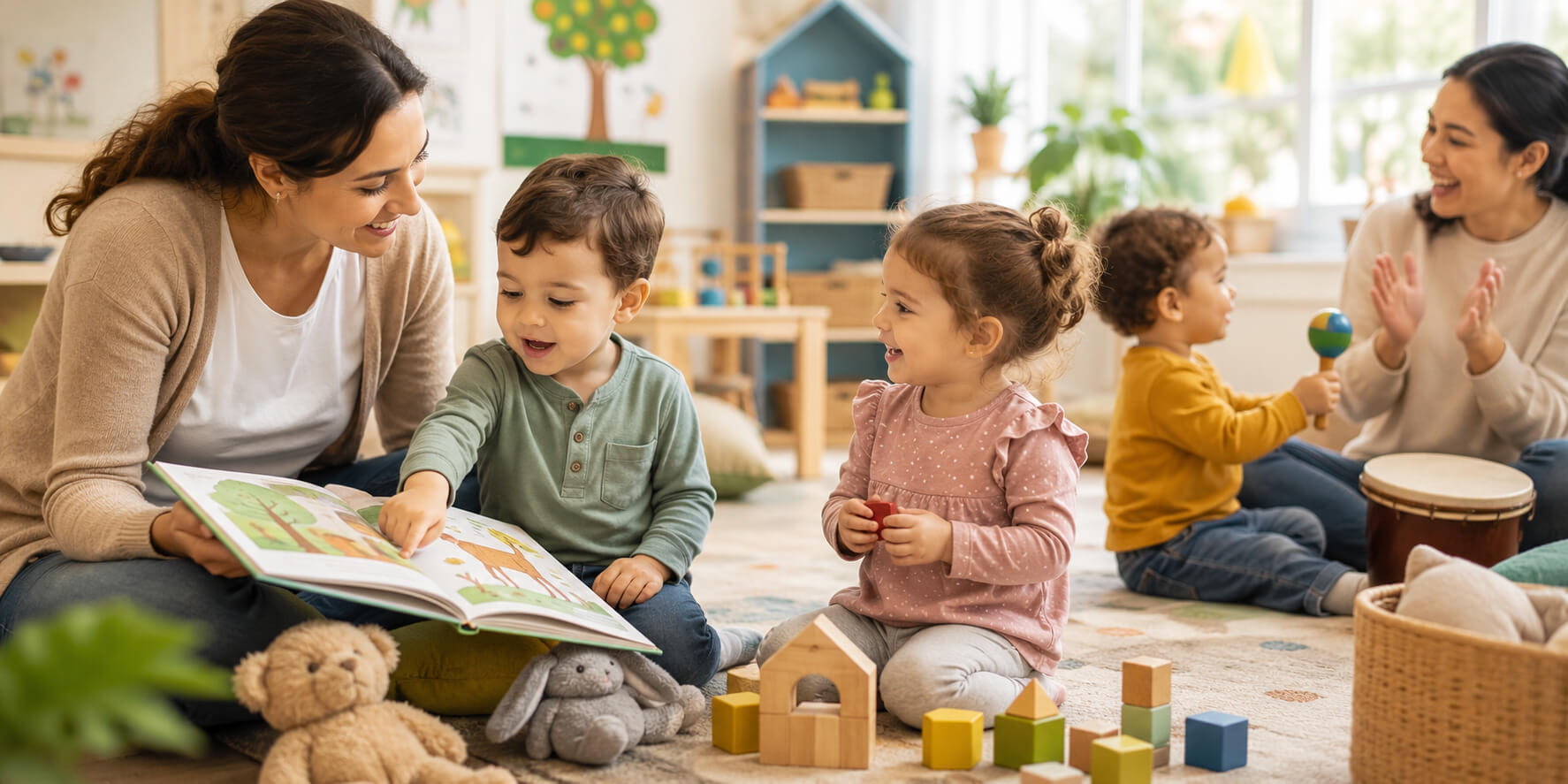
Language progress can look different from child to child, but many parents begin to notice steady changes when toddlers are in a supportive daycare environment.
You may see your child:
- using more words at home
- trying new sounds or short phrases
- naming familiar objects more often
- following simple directions more easily
- pointing and talking at the same time
- showing more interest in songs, books, or group games
- communicating wants and feelings more clearly
Some children become more verbal quickly. Others show their growth more gradually through understanding, gestures, imitation, and increased social confidence. All of these can be meaningful signs of progress.
How Chapter1 Supports Toddler Learning and Communication
Chapter1 Daycare is built around the idea that every child deserves a safe, creative space to play, learn, and grow. For toddlers, that means warm relationships, thoughtful routines, engaging activities, and consistent support from caring educators who understand early development.
Through play-based learning, daily interaction, structured activities, and social experiences, children have many opportunities to build confidence and communication skills in ways that feel natural. Families looking for a nurturing environment in Calgary often appreciate that Chapter1 combines early learning with flexible care, strong parent communication, and age-appropriate support for growing children.
Whether families are considering a program in Cedarbrae or Royal Oak, the goal stays the same: to help children feel secure, engaged, and ready to grow through everyday experiences that support both learning and connection.
How Parents Can Support Language Development at Home
Daycare can play a big role, but home matters too. The strongest support often comes when children experience warm, responsive communication in both places.
Parents can encourage language development by talking through daily routines, reading together, singing songs, naming what their child is interested in, and giving them time to respond. Even simple interactions like describing what you see on a walk or asking your child to choose between two snacks can create useful language opportunities.
Families comparing care options may also find it helpful to look at the bigger picture of what quality childcare offers. If you are still weighing what type of program feels right, this guide to daycare options in Calgary can help you think through the features that matter most for your child’s development.
A Strong Start for Growing Voices
Toddler language development grows through connection, repetition, play, and everyday interaction. A quality daycare environment supports all of these by giving children more chances to listen, respond, express themselves, and build confidence in a caring social setting.
For many families, daycare is not just about supervision. It is about giving children a strong beginning in a place where learning feels natural and relationships feel secure. When toddlers are surrounded by responsive educators, meaningful routines, and playful opportunities to communicate, language growth becomes part of the day in a way that feels joyful, steady, and lasting.
FAQs
How does daycare support toddler language development?
Daycare supports language development by surrounding toddlers with responsive conversation, peer interaction, storytime, songs, routines, and play-based learning throughout the day. These repeated experiences help children build vocabulary, listening skills, and confidence.
Can daycare help a toddler talk more?
A quality daycare can help many toddlers talk more because it creates more daily opportunities to hear language, respond to adults, and communicate with other children in real situations.
What daycare activities help toddlers build language skills?
Storytime, songs, pretend play, sensory play, group activities, outdoor play, and mealtime conversations can all help toddlers build language naturally.
Does peer interaction improve communication skills in toddlers?
Yes. Being around other children gives toddlers more reasons to listen, copy words, take turns, and use language during play and shared routines.
What if my toddler is not talking much yet?
Children develop at different rates. A nurturing daycare can still support progress through gentle interaction, routine, and play. If you have ongoing concerns about your child’s speech or understanding, it is a good idea to speak with your pediatrician or another qualified professional.